A real-life reference
Planning a crowdfunding campaign: how to get the launch right
From zero to hero in 10 days: how crowdfunding succeeds and what to keep in mind.
The starting point: a crowdfunding campaign for a traditional Berlin brand after its relaunch
Rogacki is relaunching in 2026 after insolvency and the sale of its brand rights. It is a delicatessen with almost a hundred years of history, and I am brought on board to turn ideas into reality.
The first idea is a cookbook with the original recipes, funded through a crowdfunding campaign. The printer, the cook and the photographer are already in place, but the entire crowdfunding campaign, including choosing the platform and creating the visuals, is put in my hands. And it quickly becomes clear that the schedule is extremely tight: I have just under three weeks before the launch.
At that point, there hadn’t been a social media post in years. The newsletter subscriber list had been growing steadily since the takeover became public, but not a single newsletter had been sent yet. We started with 700 subscribers and 1,500 followers.
The strategy: analysis, activating followers and planning the four-week campaign
A successful crowdfunding campaign doesn’t happen by chance or luck. Luck certainly plays a part, but perfect preparation matters more. Above all, knowing your target audience, understanding how a crowdfunding campaign works, having a structure for the campaign period and communicating clearly are the pillars it all rests on.
1. The analysis:
Knowing your target audience is everything. I took my time for this, looked at the facts calmly and drew my conclusions. My finished document ran to more than 50 pages and, besides age, location, brand loyalty and so on, also answered questions like “formal or informal?”, “Berlin dialect or not?” and other brand-specific questions. This analysis was the basis for every decision that followed.
2. Finding the right platform:
The first question is always which platform to use. The analysis answers it on its own. In this case, it was quickly clear that it had to be a German platform, because a traditional Berlin brand gets lost on an international one.
3. Creating structure & visuals:
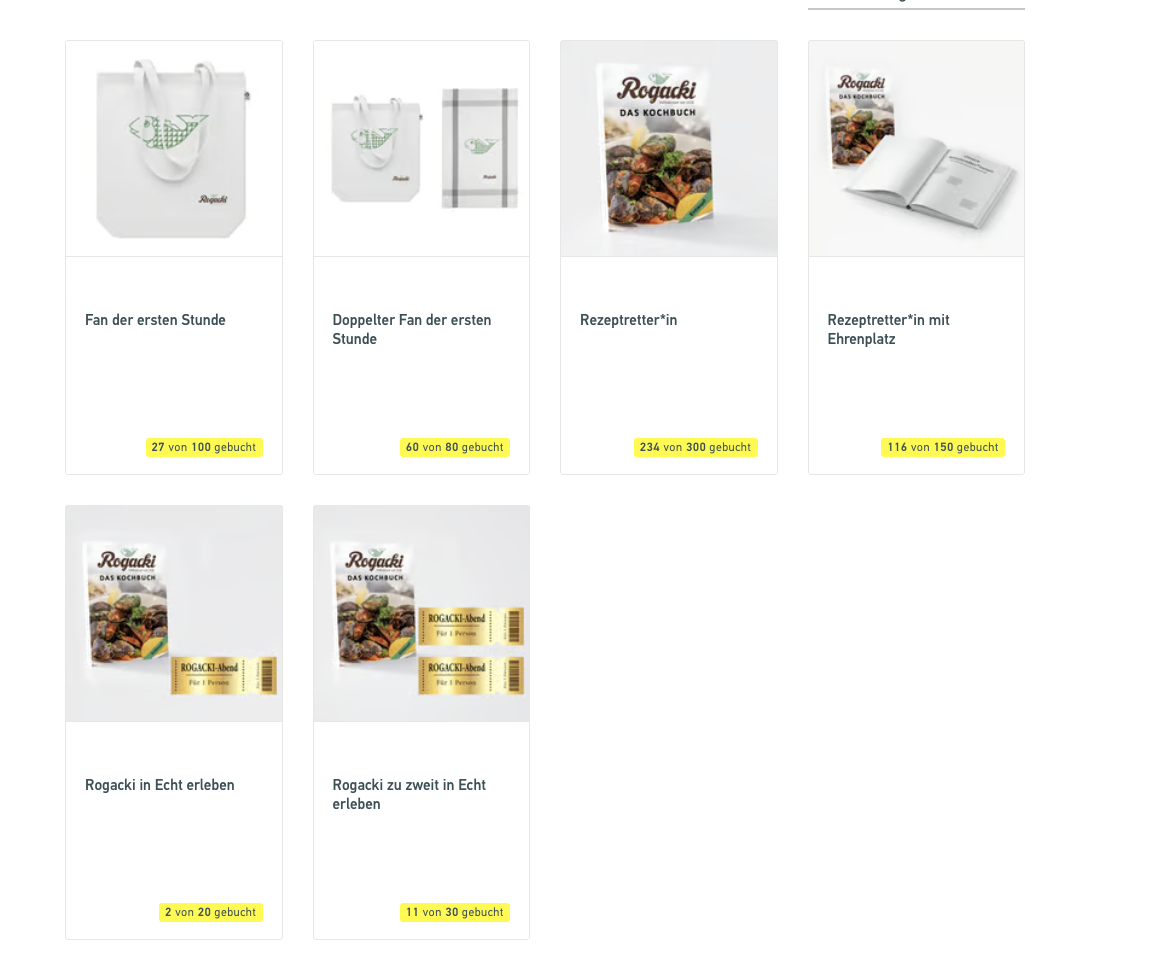
The analysis also largely determines the structure of the rewards. The price tiers can be derived from it too, and the texts, especially the reward titles, are tailored to the target audience as well.
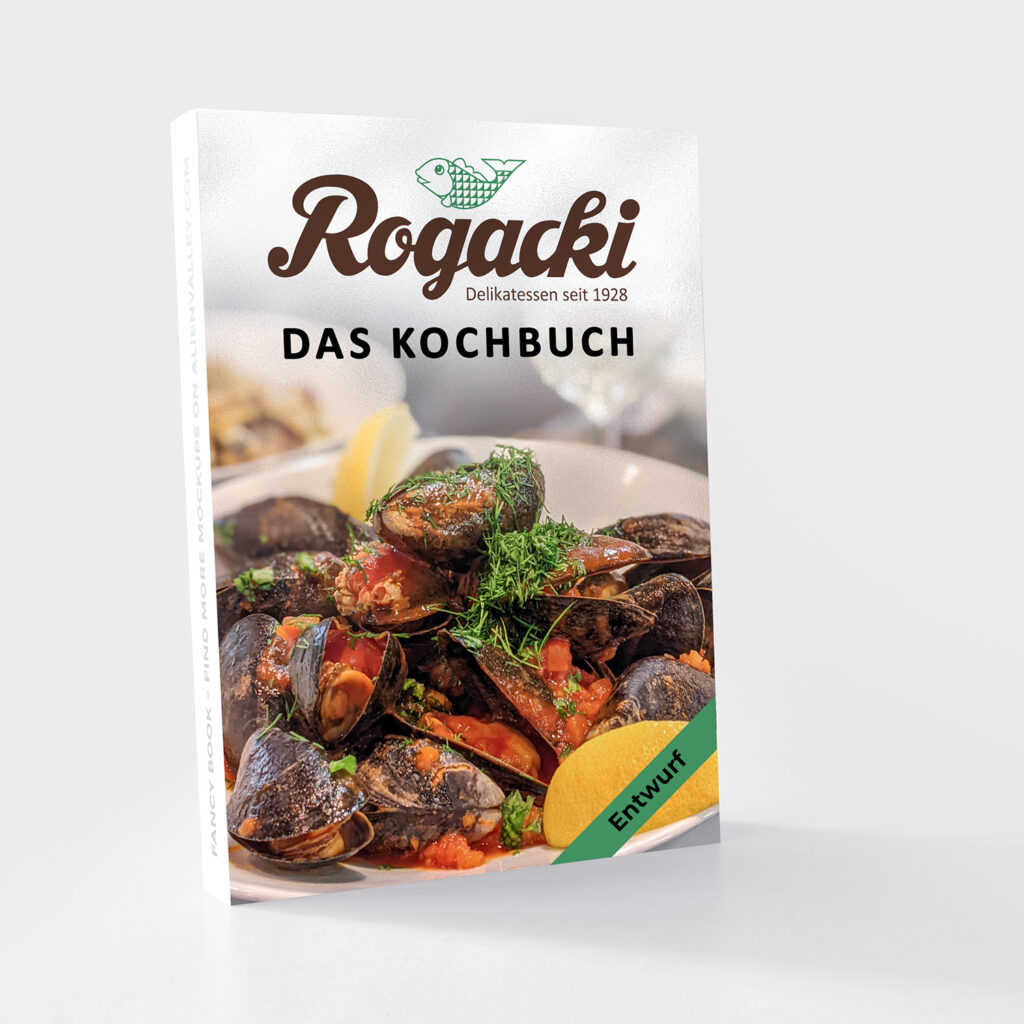
Since this campaign was about a book (hardcover, 180 pages) that would only be produced once the funding goal was reached, there were no product visuals yet. So I worked with product mock-ups and designed a placeholder cover, so that backers had a concrete picture of what they were buying from day 1. My training as a photographer and decades of work in image design were a clear advantage here.
4. Going public with the news
Normally, you spread the news about an upcoming crowdfunding campaign over a certain period, casually at first and then more and more focused. You warm up your followers slowly and carefully. But we didn’t have that time. Ten days before the launch, we sent the very first newsletter and simply said “Hello, we’re back”. There was a small first hint at the upcoming crowdfunding campaign further down in the text, communicated warmly in the brand’s voice. At the same time, Instagram was reactivated with a “We’re back” post. The response was overwhelming and led to short-term adjustments to the strategy and analysis.
For social media, it was quickly clear that we needed personal content instead of interchangeable photos. We showed the team and otherwise talked about the brand, got people involved with polls and votes, and posted daily updates in our stories. Because: people would rather give their money to people than to impersonal institutions.
The result: media buzz and 93% of the goal reached on day 10
If you want to start a crowdfunding campaign, you need a strategic approach, because a crowdfunding campaign is a well-researched process in which every phase has been analysed down to the smallest detail. At launch, of course, you post everywhere you can, and from then on you shouldn’t stop, spreading the word as widely as possible. Press work is important and helpful, social media goes without saying, but everyone on the team should also share the news on their own channels and ask for reposts. Here, too, there are various levers you can pull to make the news spread further. And the first pledges should come in as soon as possible after launch. (Small tip: pledge yourself first, within the first few minutes.)
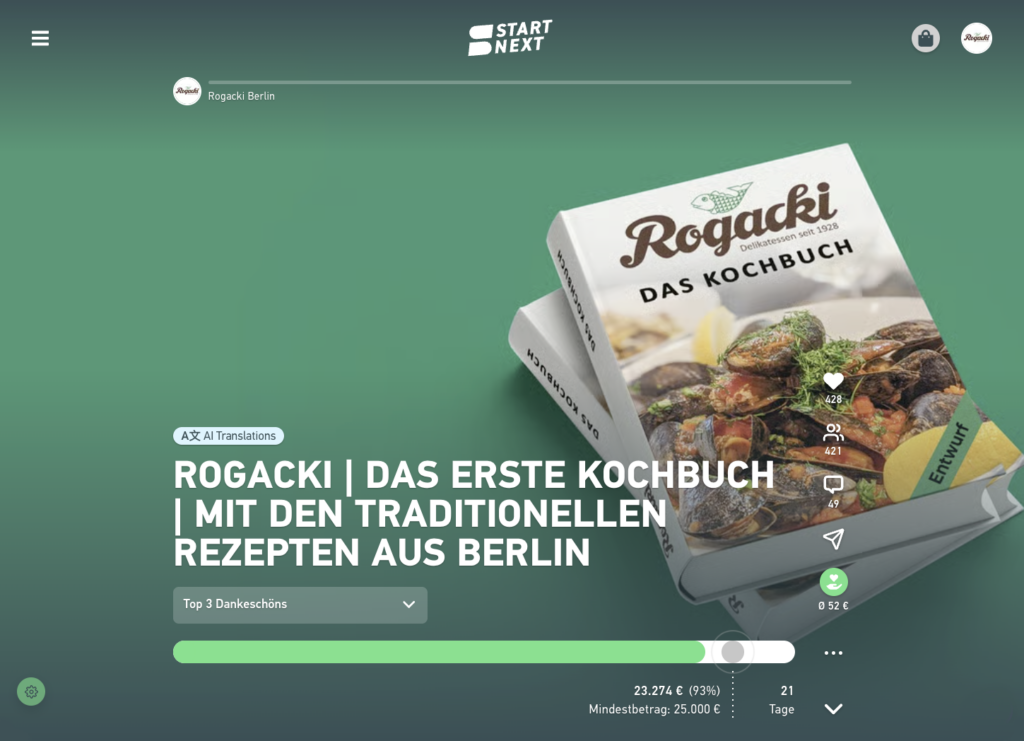
In this case, the response was overwhelming. After just 24 hours, the campaign had reached 25% of its funding goal. We used this momentum for PR, and several media outlets were happy to pick it up. Major Berlin daily newspapers reported on the project, and the online articles even ran on the screens in the U-Bahn.
On day 9, we were already at 85% of the funding goal. But that’s no reason to sit back. For the remaining campaign period, you need a strategy to keep the momentum going until the finale (and beyond). Otherwise, even a successful campaign can still run out of steam. And then there’s the time after the campaign: reaching 100% or more doesn’t mean you’re done. The post-campaign phase also needs careful handling, so that backers don’t cancel or become unhappy.
What you can take from this project for your own crowdfunding campaign
This campaign was a typical example of how well things can go when you keep the big picture in mind and manage to turn followers into fans. However, crowdfunding is not just a financing tool but a highly effective marketing lever. But only if the foundation is right.
Crowdfunding with me is exactly right for you if:
- You’re ready to show your face: You and your team are passionate about the project and ready to actively mobilise your network? Great, because if you don’t believe in your own idea, you won’t convince anyone else either.
- You know how important lead time is: A crowdfunding campaign starts weeks before the launch, always with a detailed analysis and a strategy. And without email subscribers and social media followers, there’s no point in starting at all.
- You value strategy and structure: Unfortunately, I can’t help you with uncoordinated experimenting or a trial-and-error approach. But I’m happy to help with the analysis, reward tiers, visual presentation and communication strategy. Structured, creative and flexible.
Planning a crowdfunding campaign or want to successfully launch a passion project?
Let’s talk about it, with no obligation.